

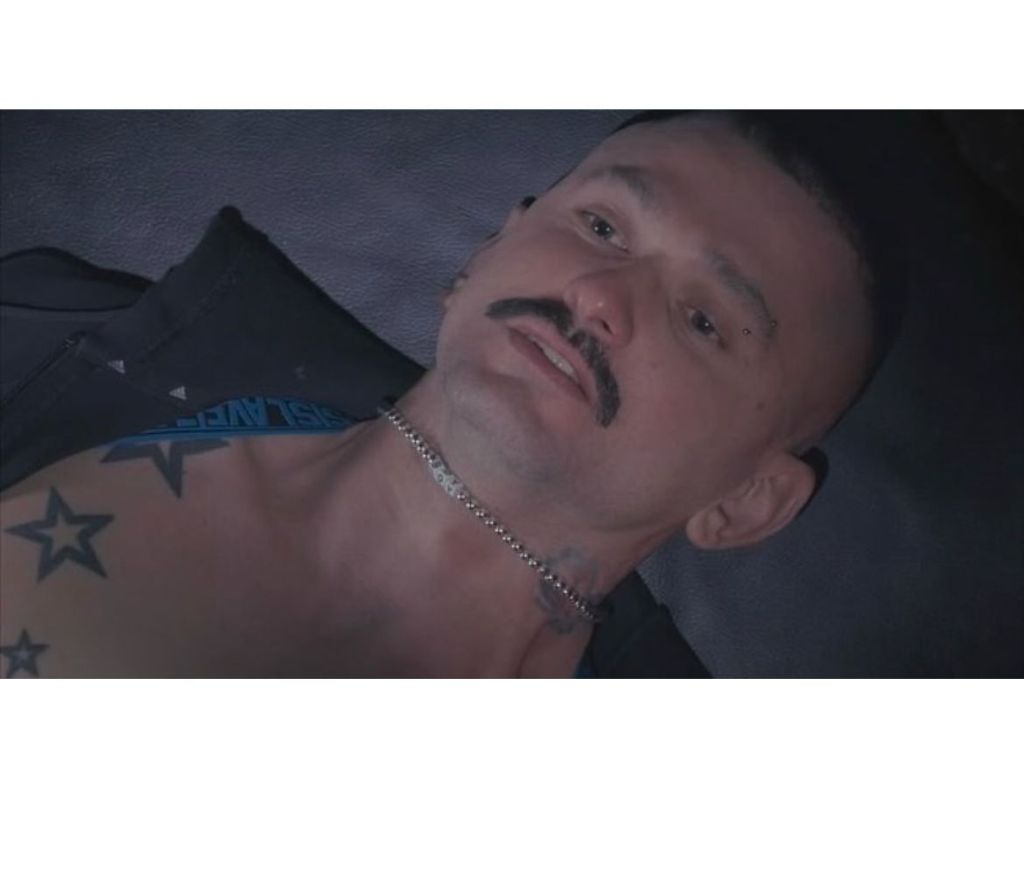
What roles did you serve in there?
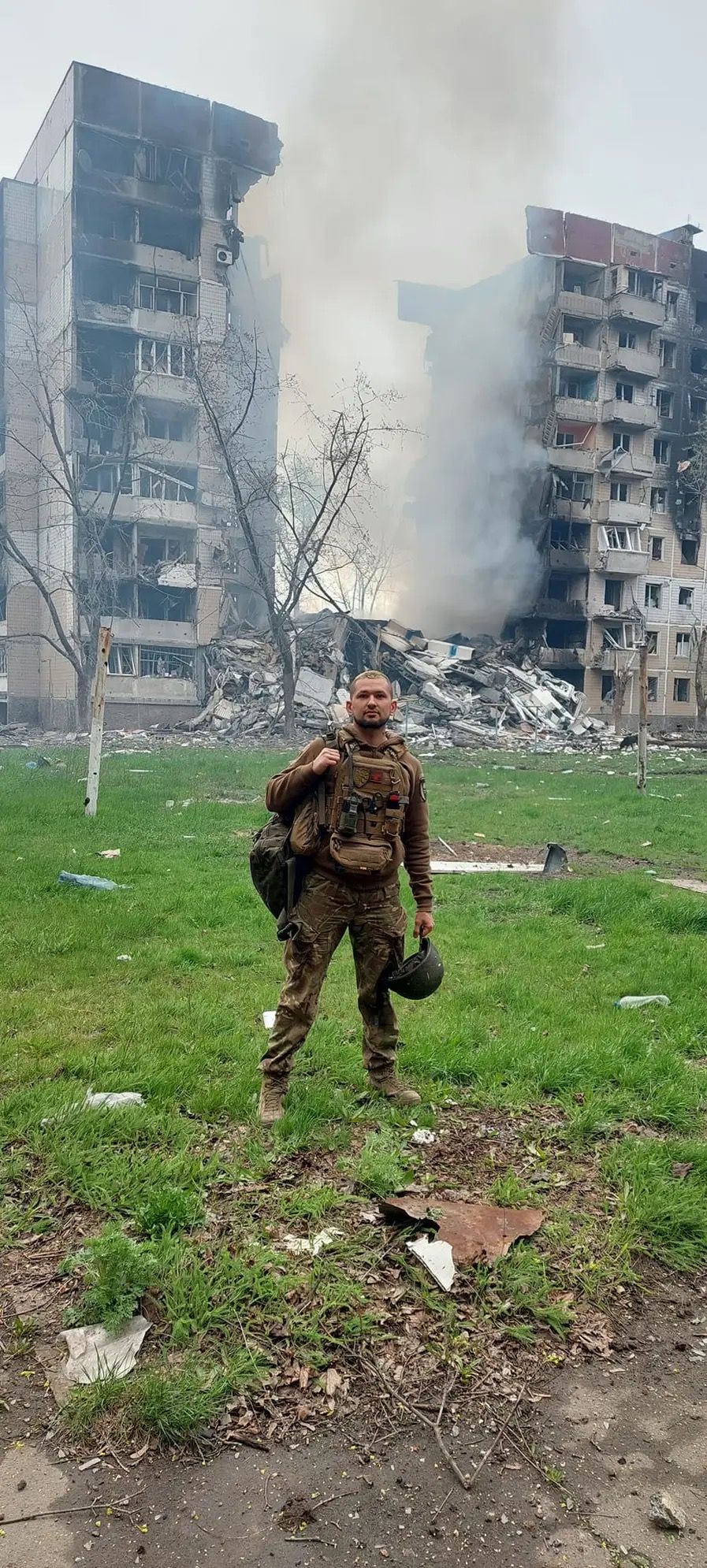
Before the full-scale invasion, I was an infantryman, an assault trooper, an SPG-9 operator, and a rifleman-medic. After the full-scale invasion, I served again as an infantry assault trooper, then as a paramedic. Later, I worked as a combat lifesaver — first at the squad level, then at the platoon level, and later at the company level. After that, I served as a medic at a medical aid post.
The LGBTIQ+ Military NGO: I paid the SMM department’s salaries out of my own pocket
There was even an attempted hostile takeover. Because by the time the registration was completed, some NGOs already saw, let’s say, project potential in our organization. They tried to push me out. It was a pretty typical story. I once wrote about it, described it on social media. In the end, we managed to preserve the organization. We abandoned the idea that people who hadn’t taken an oath could be members, and we convened a council made up specifically of veterans — LGBTIQ+ veterans — and essentially saved the NGO.
I followed the life of the organization from the front. Whenever there was a connection, I stayed in touch with the small team that remained in Kyiv. We kept communicating. And somehow the donor fully understood the situation. That was fine. We were allowed to scale our activities down to the absolute minimum we could realistically sustain. At that point, it was basically limited to SMM and communications.
I remember that when the project ended and there was no funding left, so that the NGO wouldn’t die out, I paid the SMM department’s salaries out of my own pocket. At the time, I was receiving combat pay — 100,000 UAH plus my base military salary. Just so the organization wouldn’t collapse. People donated a bit, helped out. And even then, we still sent donations to support the front — buying equipment, everything our members needed.
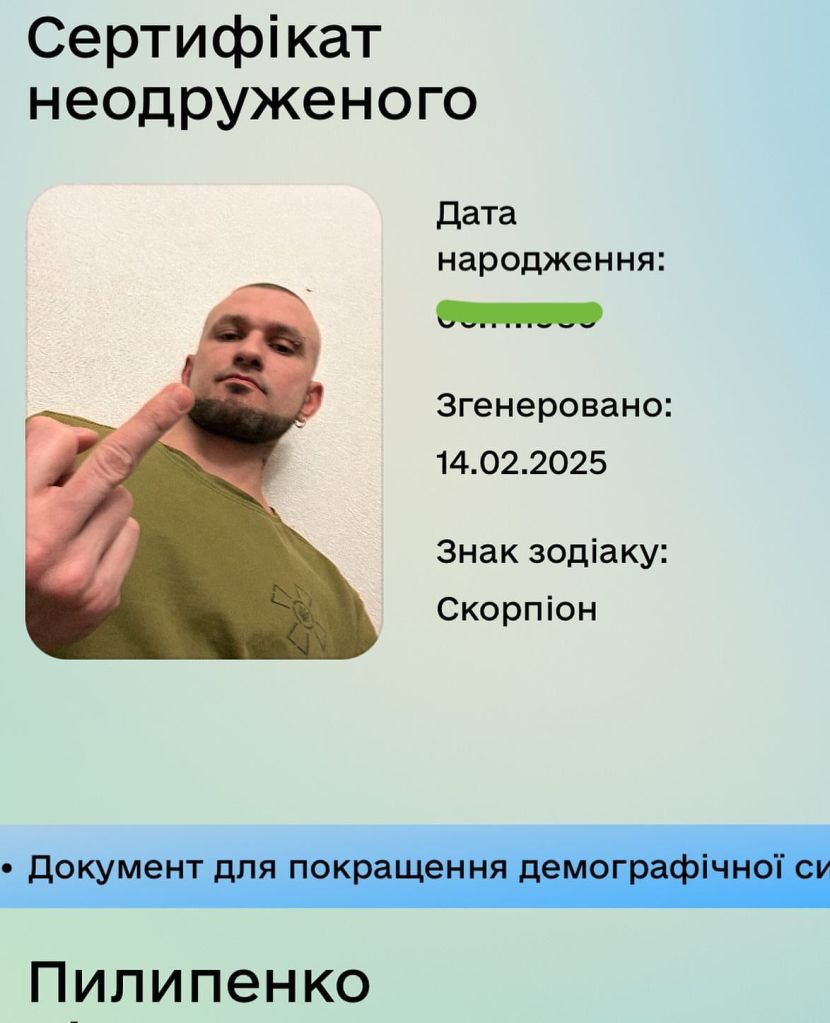
The Ukrainian army is a forcibly mobilized people. For the Western world, the word “military” means an image of a U.S. Marine who signed a three-year contract and gets paid for killing. But in reality, we’re just a people who were forced to take up arms in order to survive.
They don’t understand who volunteers are either. I’ve talked to tons of foreign journalists. There are real gaps in their knowledge. What’s worse, they don’t do proper research before coming here and writing their pieces. I see a complete lack of research.
LGBTQ+ soldiers and the Defense Forces of Ukraine are often treated as if we were a professional army, while ignoring the fact that we’re simply a mobilized people, carrying an equal burden of obligation.
In Israel, their LGBTQ+ military personnel are used more for pinkwashing. In their country, civil partnerships aren’t recognized domestically. They do recognize civil partnerships concluded in other countries, though. At the same time, they recognize and pay benefits to the civil partners of gay soldiers who were killed in action — even without documentary proof of the partnership.
In Ukraine, LGBTQ+ soldiers are denied equal rights, no matter how hard we’ve fought — like beating our heads against a wall. We were never given civil partnerships. We were constantly asked: “Well, count how many of you there are at the front.”
The First Deputy Minister of Defense asked me personally to do this. He said: create a letter as an organization and get as many LGBTQ+ soldiers as possible to sign it. I was talking to him from a basement in Vuhledar. We had agreed in advance that this would be a letter of support for the civil partnerships bill for the defense committee, and that he would personally deliver it to the Minister, bypassing the officials who are usually homophobic.

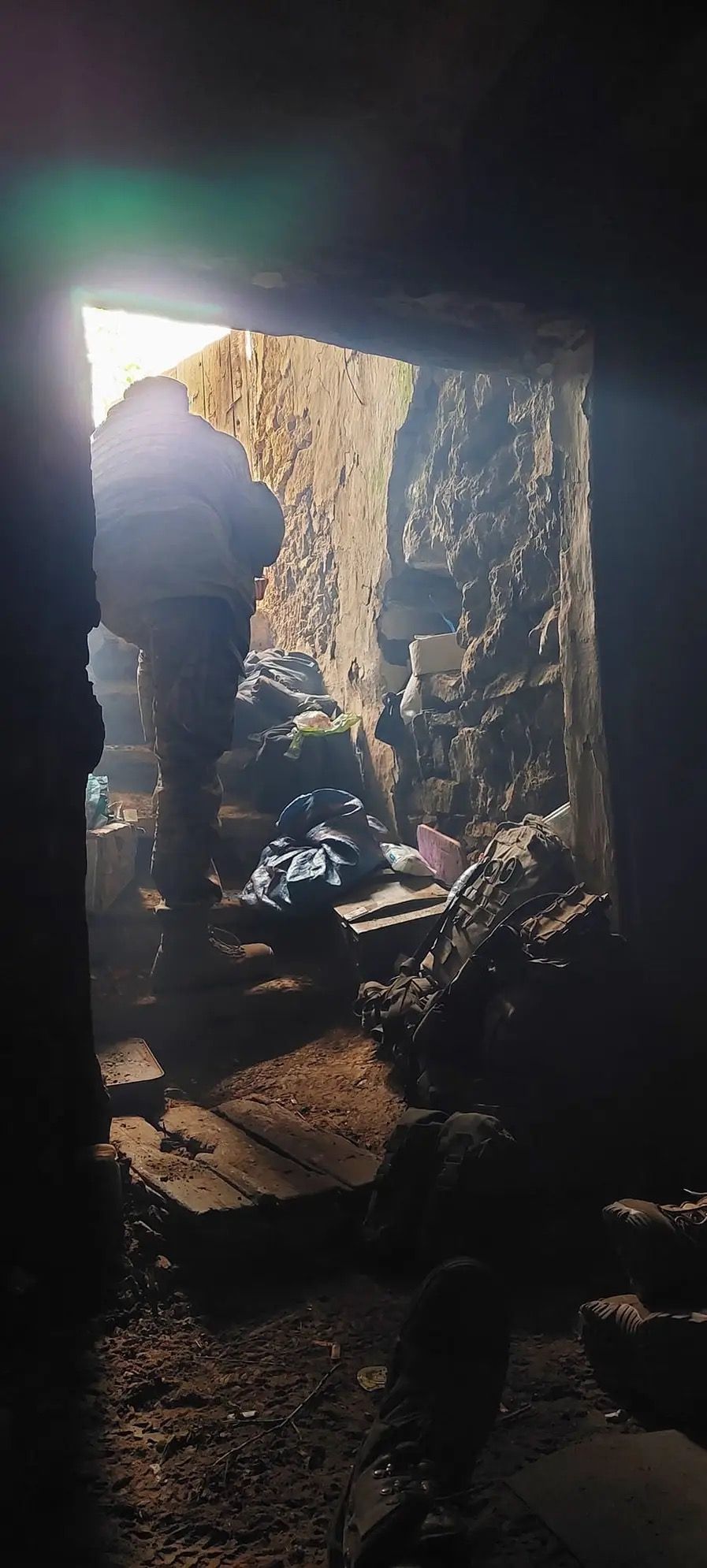
He didn’t do a damn thing. Instead, he started arguing with me on the phone, saying we had to prove that there were “a lot of us.” And he refused to help.
The Ministry of Foreign Affairs has very friendly relations with the LGBTQ+ community. But we don’t see real steps toward granting us equal rights. Ukraine uses us for pinkwashing abroad. And inside the country, they’re in no hurry to give us equal rights.
Everyone wants to worship beauty, but there are no tactical macho—„mostly older guys, very simple, from villages“
Before, we stayed quiet about most of our problems. We used to say that a process had been started. And it really had. We were waiting for laws, we were given promises. So most of the time, we were talking about helping Ukraine. “Close the sky,” and so on. Mostly, we were advocating for the country. Saying, “We might die, let’s survive first, and then we’ll continue our LGBTQ+ path.”
Now, we have to talk more about uncomfortable things. About the fact that we’re being played with, that we could be thrown out any moment. And we still haven’t gotten rights. Unfortunately, we have to speak about these things now.
I fought in regular units. The Donbas Volunteer Battalion — but these were regular guys, miners from Donetsk and Luhansk. Taxi drivers, ordinary people. There weren’t any tactical macho studs there. And the 72nd Mechanized Brigade — the “Black Zaporizhians.” Mostly older guys, very simple, from villages. I had to give some instructions in field medicine when I was at the medical post. I’d always ask, “Guys, what did you do in civilian life?” My goal was to reintroduce them to each other in the unit, because very often people were sent straight to combat after minimal briefing. They didn’t even have time to remember each other’s names. I was trying to create some interaction inside the units. Many of them answered, “I worked on the railway,” “I worked as a stonemason.” Really ordinary guys.
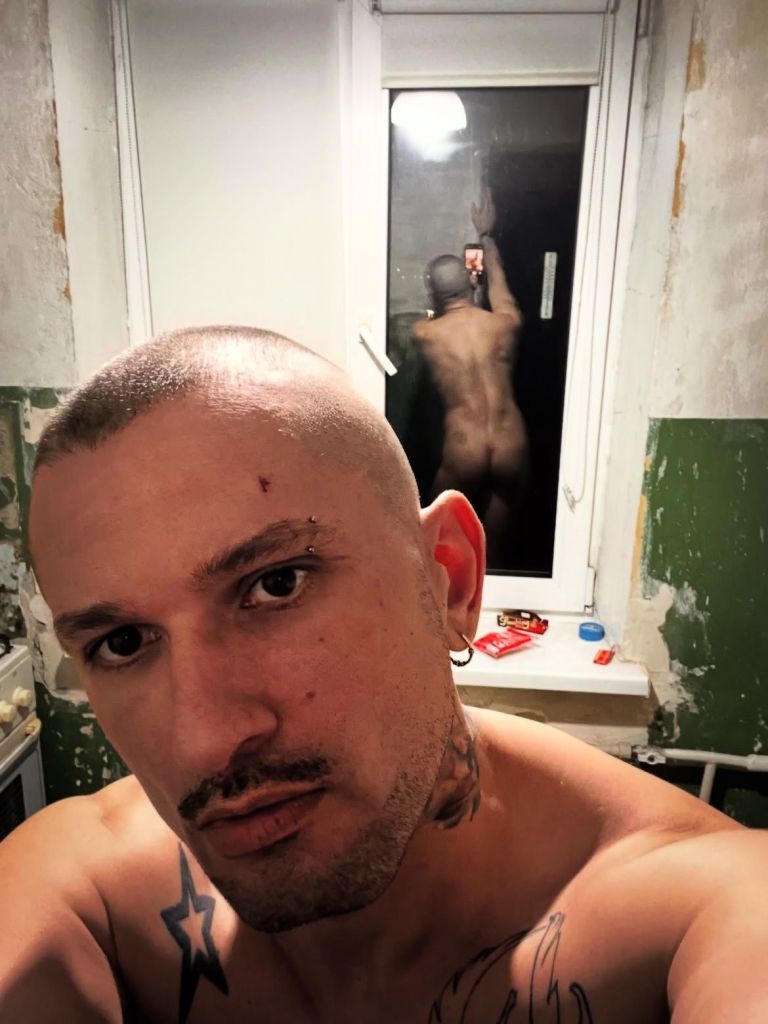
Now their stories are highlighted more, because they do heroic things. But usually, the image presented, both to Ukrainians and abroad, is of these tactical studs. Avakov did this back in the day, and it worked. Because everyone wants to worship beauty. Young, fit, slim, clean. Tactical, basically. But the real war is done by these regular guys — often overlooked. And I understand why. Often their heads are a mess. But that’s reality. (smiles)
NATO‘s clumsy drones and catastrophic tactics
In 2023, our commanders were pulled off combat positions, and young guys — 23 to 25 years old — were sent to Germany to be taught how to fight. NATO wanted to help our combat commanders by training them, supposedly, based on modern battlefield experience, including drones.
And one commander I know, callsign Bird, told me this story. A NATO colonel was teaching them how to operate this huge, clumsy drone of their own design. It had something like five different security access steps just to launch it. And during training, it took forever.
At some point, Bird walked up to that colonel, pulled his phone out of his pocket, and opened a simple app. On the screen was a real-time video feed — the battlefield over Vuhledar. And this was happening while they were in Germany. The feed was coming from a regular Mavic drone.
They were all completely blown away. Their first question was: “But what about the password? What about security?” Bird just laughed. What password? What security? When you need to fight fast and act immediately.

Those NATO officers were also teaching tactics where you basically cram almost an entire company into a tree line to prepare for combat and then launch an assault. Which would’ve been a death sentence for Ukrainian soldiers if our officers had brought those tactics back and actually used them on the battlefield.
Because when you have a large concentration of personnel, without proper air cover, without enough artillery shells, FPV drones — and even with all that — a single shell can kill a huge number of people who are either holding positions or waiting to assault.
And eventually, when that infamous counteroffensive happened, using those NATO technologies and approaches, a lot of people died. Because that system — sitting very far away, living in comfort — didn’t see the realities of modern warfare, where every possible tool is used.
That system was teaching us, imposing its own structural vision of war. And in the end, all of that led to massive losses.
When you said you had some frictions with other organizations, did you mean specifically other LGBTQ+ organizations, or not only them?
Not even frictions, you know. It was more like a complete lack of understanding of the local context in general. That’s really what it was about. They had these very short-term strategies. Project-based stuff. A project starts, a project ends — and that’s it, right?
And then later, when I started reading Pascal Gielen — he actually criticizes this project logic too. True, he writes more about museums, about how a museum is forced to become this kind of commercial institution, constantly launching projects that then end. And everything depends on donor logic. And that logic basically sets the rules for those who want to show their work in those museums, right? It creates these frames.
Pretty tight frames. And in human rights work, it’s kind of the same thing. It’s really hard to convince donor organizations.
Some donor organizations were basically scared away from us because someone was spreading information that we support active-duty military. Even though we’ve always been very clear: our program funding goes exclusively to supporting veterans, not active-duty soldiers.
The thing is, there’s almost no professional contract army left in Ukraine. I mean, it was largely wiped out. Yeah, it’s being rebuilt now, and there are some smart steps being taken, but still — there are very few career soldiers left, and they’re completely exhausted. The core of the Ukrainian army, the Defense Forces of Ukraine, is made up of mobilized citizens. People who were civilians just yesterday.
And all these projects — in the LGBTQ+ sector as well — they basically prohibit supporting mobilized civilians. They label them as “active duty,” and suddenly there’s a million doubts about them. Like, did they commit crimes against humanity, and so on, and so on, right? Even our own Ukrainian organizations, in practice, allow support only for veterans.
Even though there is no demobilization law. I look at all these veteran hubs, organizations — and the number one problem, as we say in the field, is finding beneficiaries. Finding actual veterans. Yeah, there are men and women with disabilities who were discharged. There are people who were discharged like me, for example, to take care of relatives with disabilities. Sure. But the numbers are not comparable. Not even close.

And yet, the funding is allocated specifically for veteran support. In principle, I can understand these kinds of policies — especially for organizations that are supposed to work on both sides of any conflict or war. The only thing I see is that, in reality, almost everyone is working on Ukrainian territory — non-occupied territory. Not on russian-occupied territory. And as for russia itself, well, basically only the Red Cross goes there. And even then, I hear a lot of criticism.
They do go to russian territory, they have access to prisons where our prisoners of war are held. And there’s a very telling story — one that our newly elected head, Sasha Demenko, can tell. He was in captivity, held in Olenivka. He talked about those Red Cross visits, about how he asked them to pass information to his mother, to tell her that he was alive. They wrote his details down. But that information was never passed on to his mother. So yeah — things like that happen.
So, coming back to our topic. Not all donor organizations actually have these kinds of internal policies. That’s the first thing. And the second thing is that many donor organizations want to live in a “post-war” time, completely ignoring the ongoing war. You can see it clearly — huge amounts of money are being allocated for reconstruction. And all this repaving, for example — I’m not talking about Kyiv. I’ve seen how local budgets are being supported for things like landscaping, planting and trimming rose bushes. Renovations were done with European funds in frontline cities, and then, a short time later, those places were completely destroyed by russian shelling.
Constant distortion in every direction
I can understand pro-Palestinian protests. Because children are dying. Netanyahu is a conservative. And he’s a buddy of putin. Recently, I read that Israel resumed tourism with russia. There’s a lot of speculation around the Palestinian issue — and yes, children really are dying there.
Hamas, as a terrorist organization, should not exist. That’s a fact. Israeli Zionism, in its current form, is religious fundamentalism — the idea that Israel must reclaim lands mentioned in a book of fairy tales, and that wars should be fought because of that. That shouldn’t exist either. These are all my personal views.
There is a progressive part of Israeli society — people who oppose the conservatives, who oppose religious fundamentalism. But they are a minority. A much smaller one.
What I don’t see here is any kind of healthy discussion. What I see is constant distortion in every direction. Everyone exploiting the situation however they can. Pouring fuel on the fire. Instead of slogans like “save the children” or “open humanitarian corridors,” we hear calls for intifada. People are being provoked. These are my subjective thoughts.
But in the end, it’s the same children who suffer. Because adults in wealthy countries are unable — or unwilling — to articulate these painful issues in a healthy, responsible way.
If we talk about the Western left, we really do see a lot of ignoring of soviet and russian crimes. We see how people who have access to knowledge tend to generalize a lot and idealize things. And that’s very frustrating. And throughout this whole process, everyone who benefits from fueling populism and radicalism — whether right-wing or left-wing — takes advantage of it.
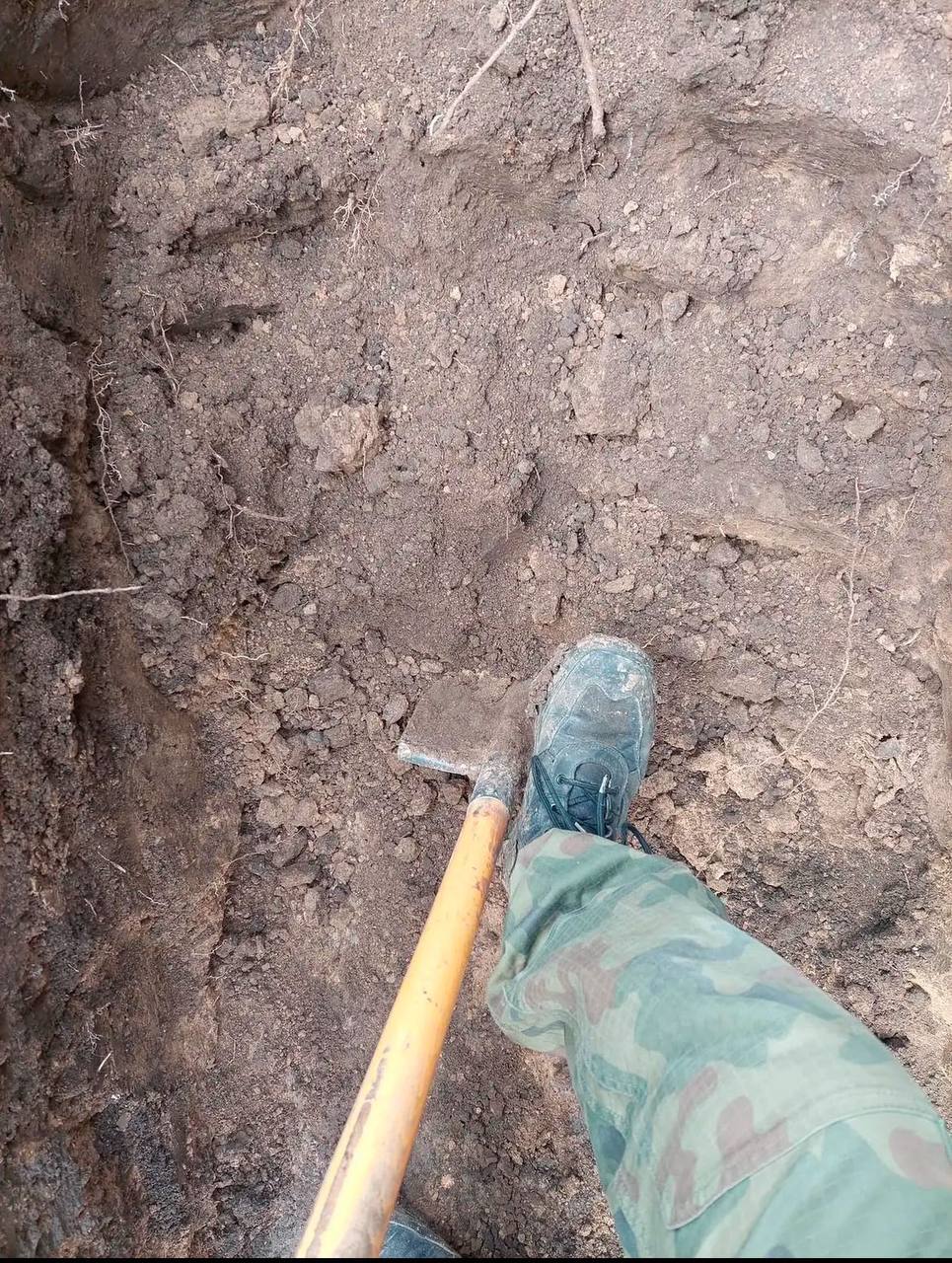
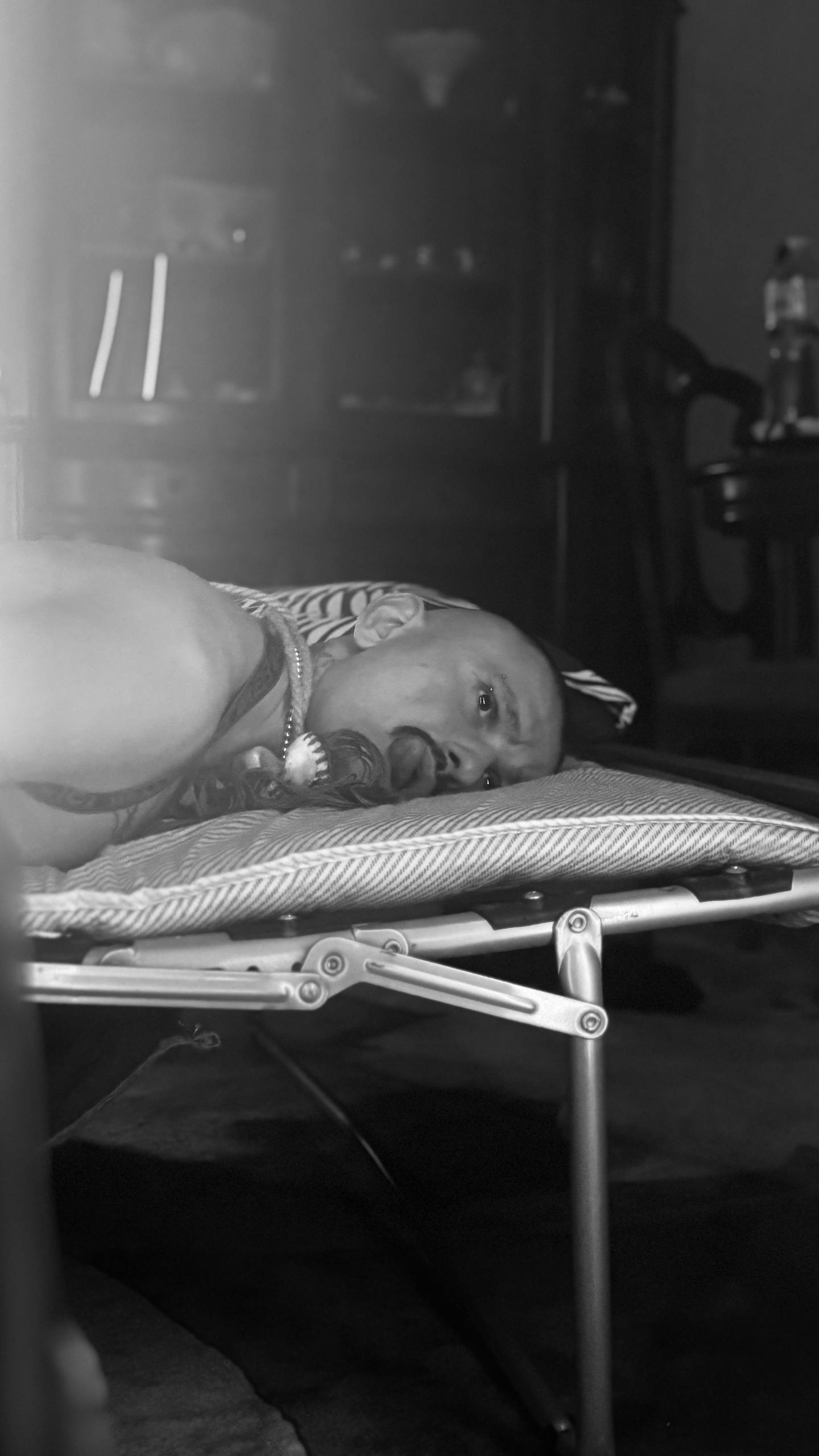
At the same time, coming back to the Ukrainian context, we can’t idealize ourselves either. We really do have problems. But we often can’t talk about them openly, because russia can use them and blow them way out of proportion. And that can create real trouble for us — blocking support, or turning Western voters against us through their politicians. So we’re forced to somehow coexist with all of this.
If support for Ukraine stops, there will be hunger here. And for us, as openly LGBTQ+ activists, we’re basically target number one. Obviously, many people have already left, and many more will leave in the future.
Then Trump will apply even more pressure. And we’ll simply capitulate. We’ll take whatever putin hands to us through Trump. We’re in an extremely difficult situation. We’re facing the ignorance of a crowd that thinks it’s very smart — people who generalize heavily, don’t bother to understand, and just hate. It’s not easy for us.
I think we have to stick to basic principles of good, no matter what. We have to protect. If it’s a child — it doesn’t fucking matter whether it’s a russian child or a Ukrainian child. First and foremost, it’s a child. You stop the aggressive people who attack that child or wish death on them. From that position, it’s easier to fight russian lies — which are built on evil and hatred, and used to push whatever agenda they need.
 Queer War Archive